“Połączenie ekosomatyki z improwizacją w spójną praktykę ruchową” to przedsięwzięcie realizowane od maja do listopada 2025 roku.
Przedsięwzięcie zostało zrealizowane dzięki wsparciu z w ramach inwestycji A.2.5.1 – stypendia Krajowego Programu Odbudowy
INTRO
Begin by noticing: where am I now? Am I lying, sitting, standing, or already in movement? Or am I in-between? Let the body be understood as a moving environment embedded in a wider moving environment — a living system with weight, boundaries inside and outside, breath, fluids, attention, and relationships in space. Where are the membranes inside and outside?
YIELDING
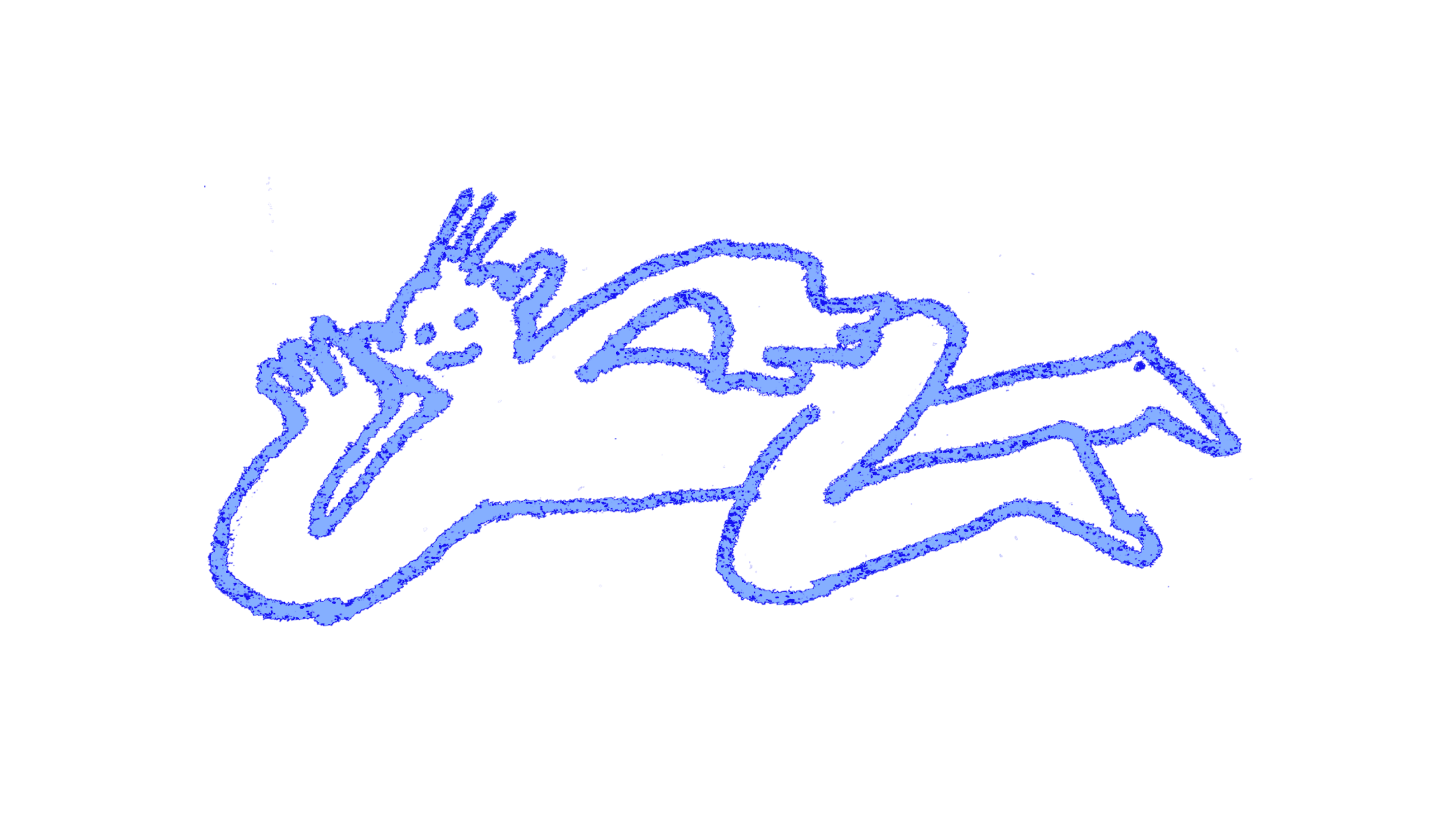
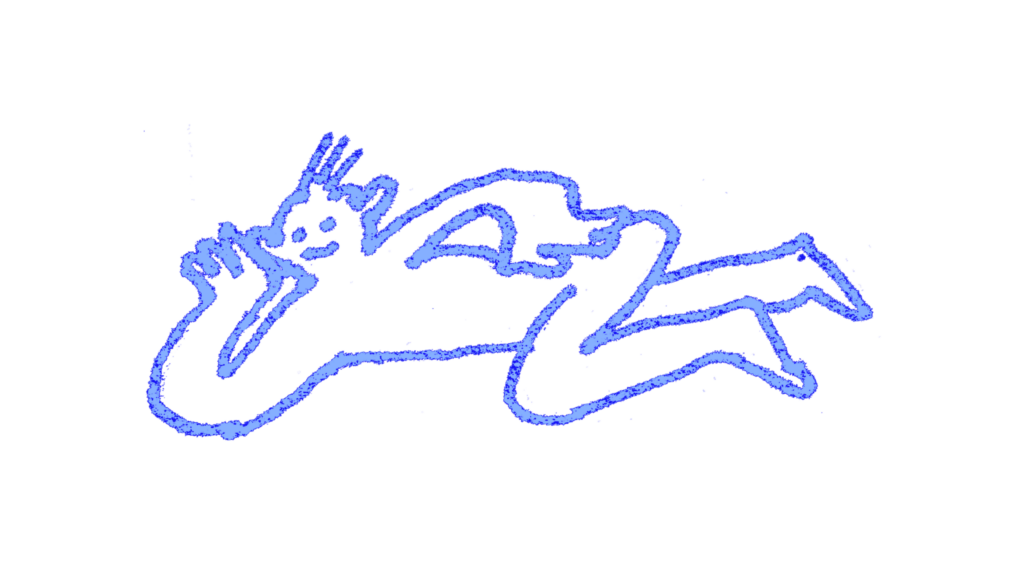
You can start in any position. If you would like a more structured practice, start from lying down a position we are born into, that brings our bodies into relationality with earth and gravity, touch and movement on most surfaces of our bodies. Begin by lying on your back, side, stomach, partially supported, somewhere between resting and organising. Let your weight drop into the ground and sense the contact of bones, muscles, skin, air, and gravity.
Imagine the body as a landscape — contained, yet permeable. Allow breathing not only through the lungs, but through the whole surface of the body. Notice micro-movements such as pulsation, expansion, yielding, and subtle shifts of weight. Let movement begin very small, from inside rather than outside. It may arise from fluids, from breath, from pressure against the ground. Go inside, explore the connection between your mouth and anus, moving both voluntarily, and go into the gut tube, stomach, intestines. From there expand to the liver, spleen, kidneys, bladder. Feel them sliding against each other and initiating movement from the inside, out.
Stay with the question: am I still lying, or am I already moving out of it? A hand might lift, the head might turn, the spine might spiral. Let the transition unfold slowly. If transitioning, the transition, being in between itself, becomes the practice. The decision where you are is yours to take, yours to answer. Answering it provides you with anchors for your own research.
SETTLING
The body arrives in sitting, somewhere between lying and sitting, sitting and standing. Name it: When you feel you are there, name it: I am sitting. Feel the pelvis as a base and notice how the spine organises above it. Allow sitting to negotiate itself in relation to gravity and space.
Sense the relationship between support and openness. The body remains like a membrane in exchange with its environment. Let the boundary of the body shift in quality, becoming more closed or more permeable. Continue to breathe through the whole surface and notice subtle internal movements such as pulsation, spirals, and shifts of balance.
Gradually allow these small movements to expand. The spine may rotate, the weight may shift, the orientation in space may change. Remain in relation to sound, space, and the presence of others. Notice when sitting is no longer stable and becomes a transition into crawling, kneeling, and all other transitional forms.
In this transition, reference to the internal architecture of your bones, and the structures you see outside, that drive other living creatures with an anti-gravitational force towards the sky. Take your time for this transition; you learned it for about a year. The territory is your support; the internal landscape lets you reorganise the body with easfulness. When you acknowledge you are in transition, name it: I am in transition.
RISING
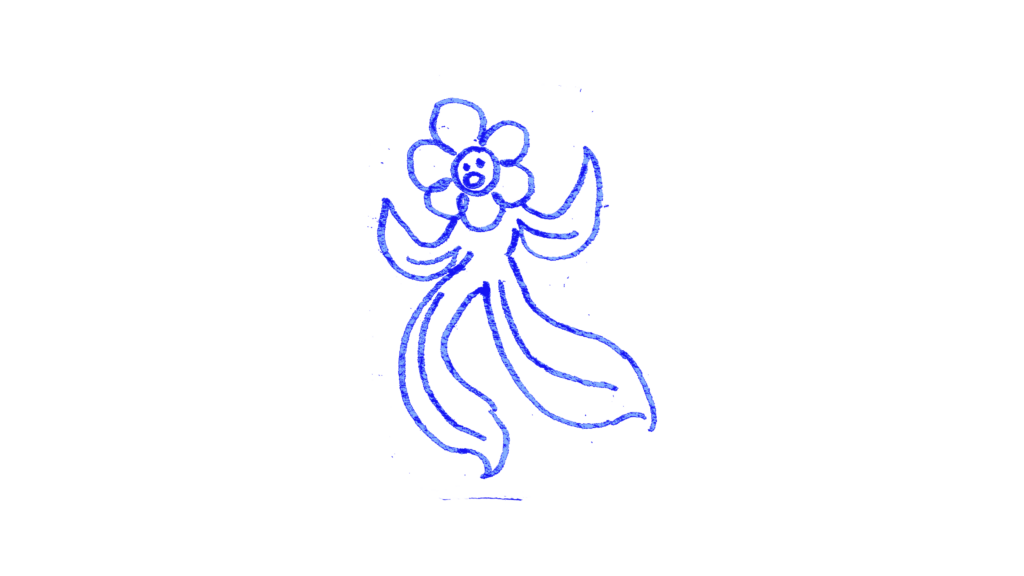
When do I stand, does it happen slowly or suddenly? When you feel you are there, name it: I am standing. Feel the contact of your feet with the ground and sense the body organising vertically. Imagine yourself as a vertical ecosystem connecting earth, body, space and sky.
Standing as a negotiation with gravity. Notice micro-adjustments, subtle sways, and the dynamic balance between stability and instability. Feel weight dropping down and lightness rising upward at the same time. Allow the body to respond to the surrounding space, to light, air, and presence. Are you still in contact with the internal architecture of your skeletal system? Do you allow the weight to travel through it?
Stay attentive to the moment when standing begins to transform. Ask yourself: am I still standing, or has walking already begun? Maybe I go in the other direction to the ground? When you feel you are in transition, name it: I am in transition
WANDERING
If you feel walking has started, name it: I am walking. Begin without a fixed destination. Let each step unfold as a process of yield into the ground, transfer, push, reaching towards the environment and pulling the environment towards yourself.
Walking becomes a continuous flow rather than a mechanical action. You may experience it as a wave moving through the body. Imagine a web of life suspended in space that supports your movement. Try to connect to layers of your internal fascia that enables spiralling movements. Surrounding the organs, the muscles as a whole, but also each muscle fibre and cell, the superficial fascia underneath your skin. Take a sip of water, hydrate your fascia from the outside, and discover how spiralling movement hydrates your fascia layers, ligaments and joints from inside.
Let walking be relational. The direction may change in response to space, to sound, or to other bodies. Movement is co-created with the environment. Gradually allow variations in tempo, pauses, and shifts in direction to emerge. Explore different qualities such as heaviness and lightness, continuity and interruption.
How in walking do I relate to space, which space leads me? Notice transitions clearly. Walking may slow down into standing, dissolve into stillness, or begin to accelerate toward running. Each change can be named as part of the unfolding process if felt. Stay present.
RUNNING
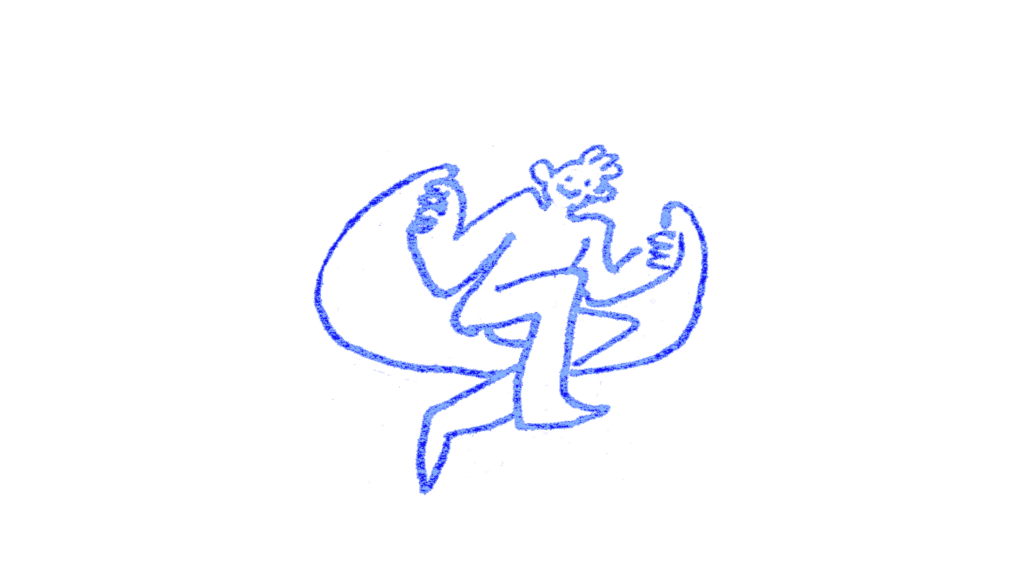
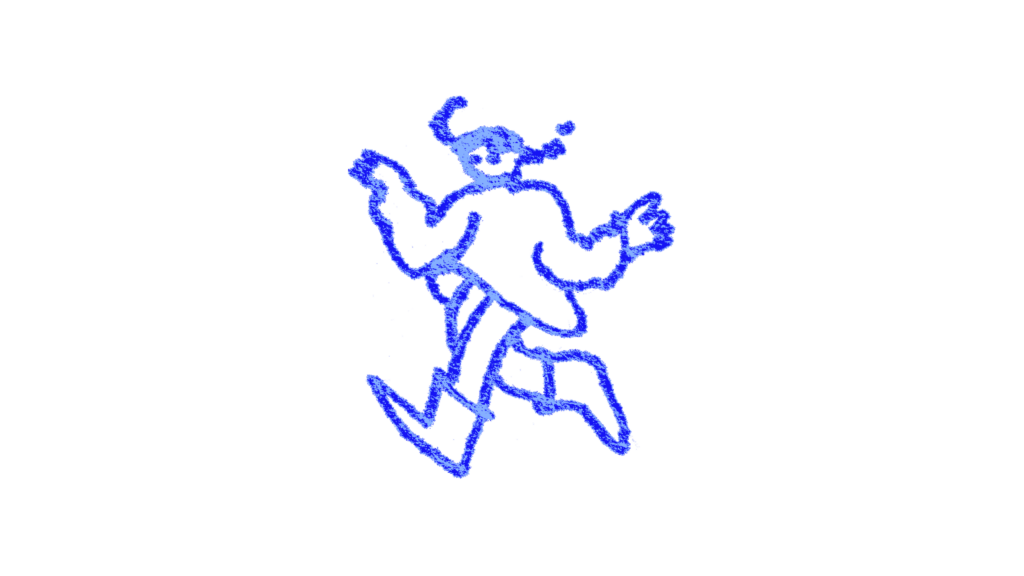
Allow walking to transform into running, jumping, or a more dynamic form of movement. This may be a clear shift or a gradual increase in intensity. When felt, name it: I am running, I am jumping, or any other name that comes to your mind.
Feel the rhythm of impact, rebound, and suspension moving through the body. Notice how energy circulates, how it gathers and releases, how it travels through tissues and space. In running, it is easy to go to the circulatory blood system, feeling the blood flowing, delivering oxygen to your cells, your breath becoming faster, energy activated, the range of possibilities expanded. How do I use this energy with the support of the environment? Can I connect to other creatures that breathe, that transform oxygen and food into energy and action? How is it to be in resonance with them while moving actively?
How does energy transform?
The intensity of movement may shift depending on space, direction, or the presence of others. Running can accelerate, decelerate, transform into a jump, into a fall, into a recovery. Movement becomes a continuous transformation.
Let the movement evolve into a practice of flow and relation.
INTEGRATION
You can allow the whole practice to become a continuous sequence moving through lying, sitting, standing, walking, and running, and back again. At any moment, you may return, pause, or shift direction. What matters is the awareness of where you are and how you are transitioning.
At the end, let the body settle wherever it wants. Notice again: where am I now? Am I in a position, or in a transition? Simply observe the relationships that have emerged between body, gravity, space, and environment.